

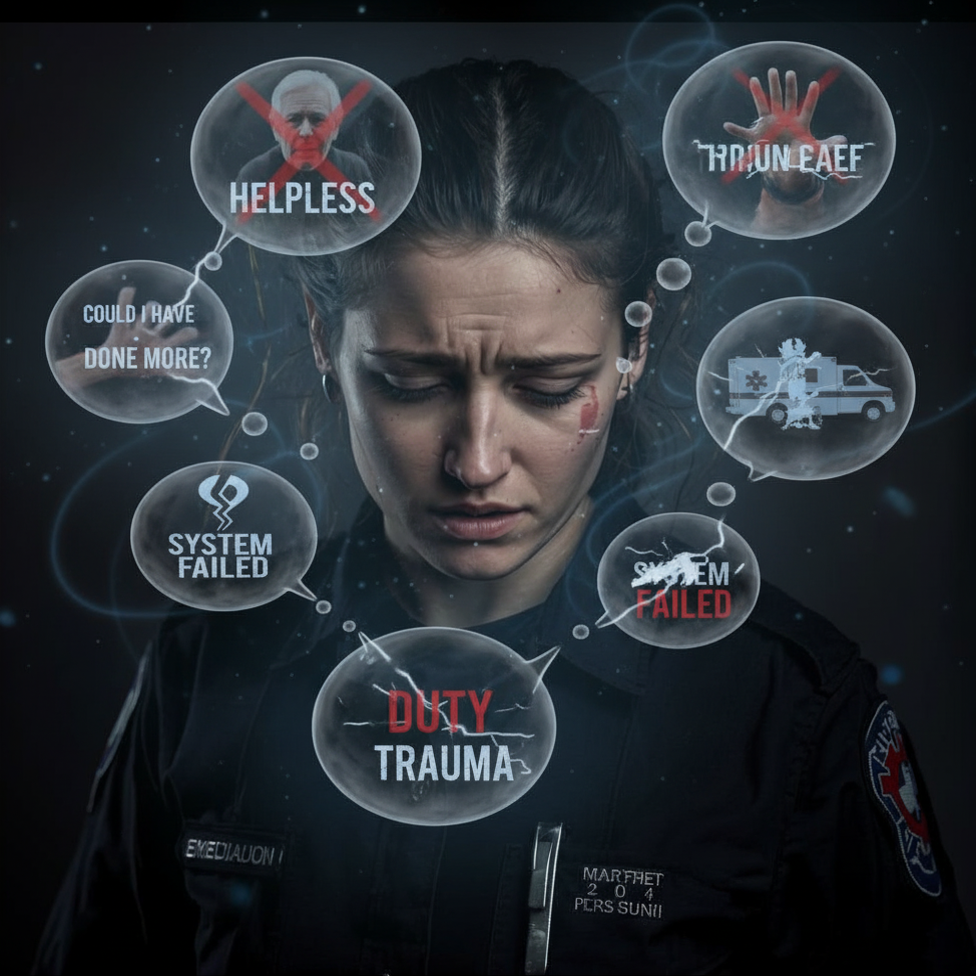
When the Job Breaks Something Deeper Than Fear: Moral Injury in First Responders
Moral injury is one of the most recognized — and least recognized — wounds carried by first responders. Unlike PTSD, it isn't rooted in fear: it stems from guilt, shame, and the sense that something you did (or couldn't do) violated your deepest values. If you've been carrying that weight, you're not alone — and there is a path forward.

What Makes Grief “Prolonged”?
Grief is supposed to soften with time—but for roughly one in ten bereaved adults, it doesn’t. Prolonged Grief Disorder is a recognized, treatable condition that keeps people stuck in intense mourning long after the expected window of acute loss. If your grief still feels as raw as the day it began, you’re not broken—and you’re not alone.

When Someone You Love Is Struggling: Recognizing a Mental Health Crisis and How to Help
Three in five Coloradans report experiencing mental health strain in the past year — and for many families, that strain can tip into crisis without warning. Knowing what a mental health crisis actually looks like, and what to do when you see it in someone you love, can be the difference between feeling helpless and feeling capable. If you're in Longmont, CO or Northern Colorado and aren't sure where to turn, Valor Counseling is here to help.
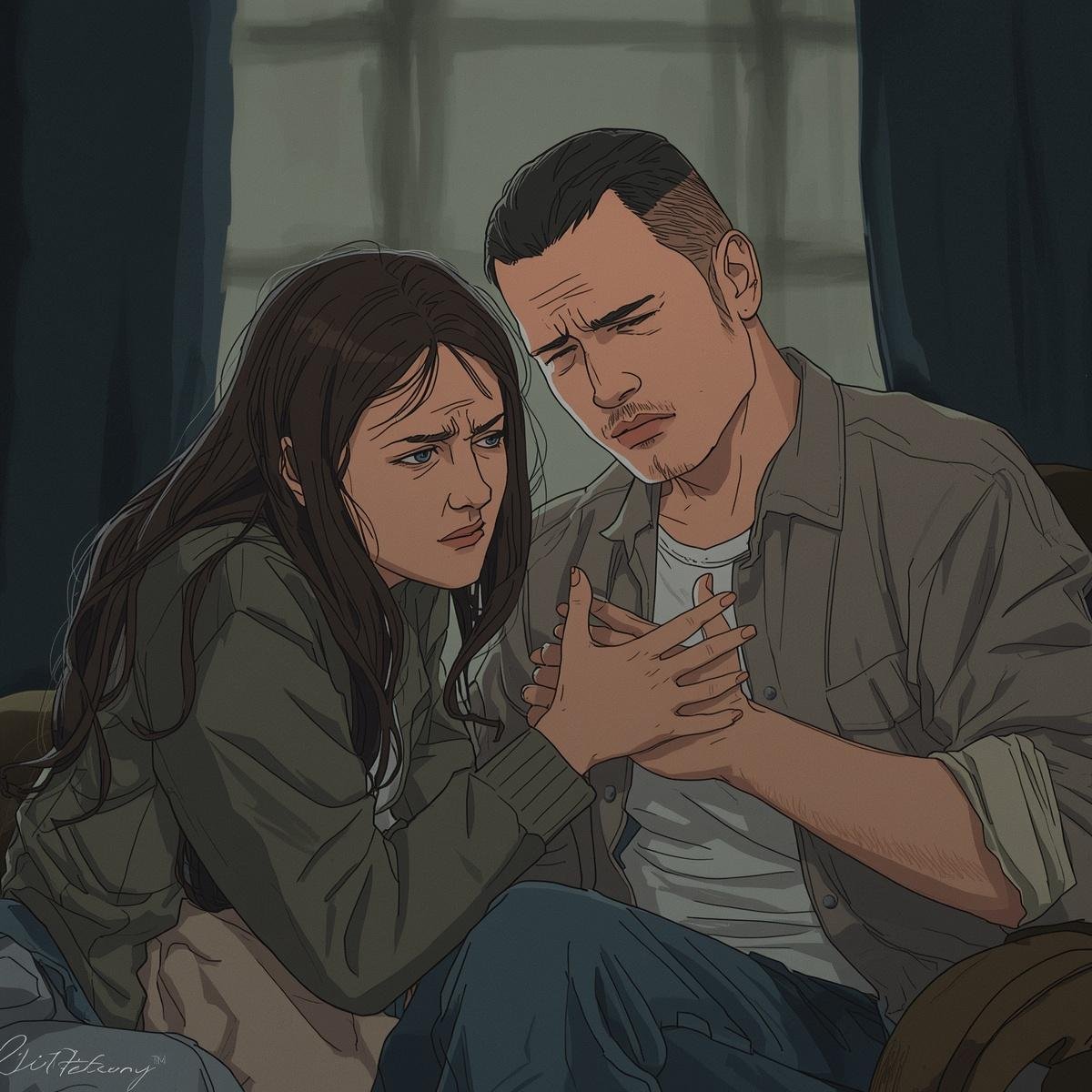
How Couples Repair After Conflict — and Why It Matters More Than the Fight Itself
Every couple has conflict. Decades of research show it isn't the fight itself that breaks relationships — it's whether partners can repair afterward. Here's what evidence-based couples therapy reveals about rebuilding emotional safety, and how a Longmont-based therapist can help.
The Hidden Grief First Responders Carry: Recognizing Cumulative Loss
First responders accumulate a kind of grief most people never see — one call, one colleague, one close-to-home loss at a time. Left unnamed, it shows up as numbness, irritability, bad sleep, and distance from the people who matter. Here's what cumulative grief actually looks like in police, fire, and EMS work, and how trauma-informed therapy in Longmont, CO can help you work with it rather than around it.
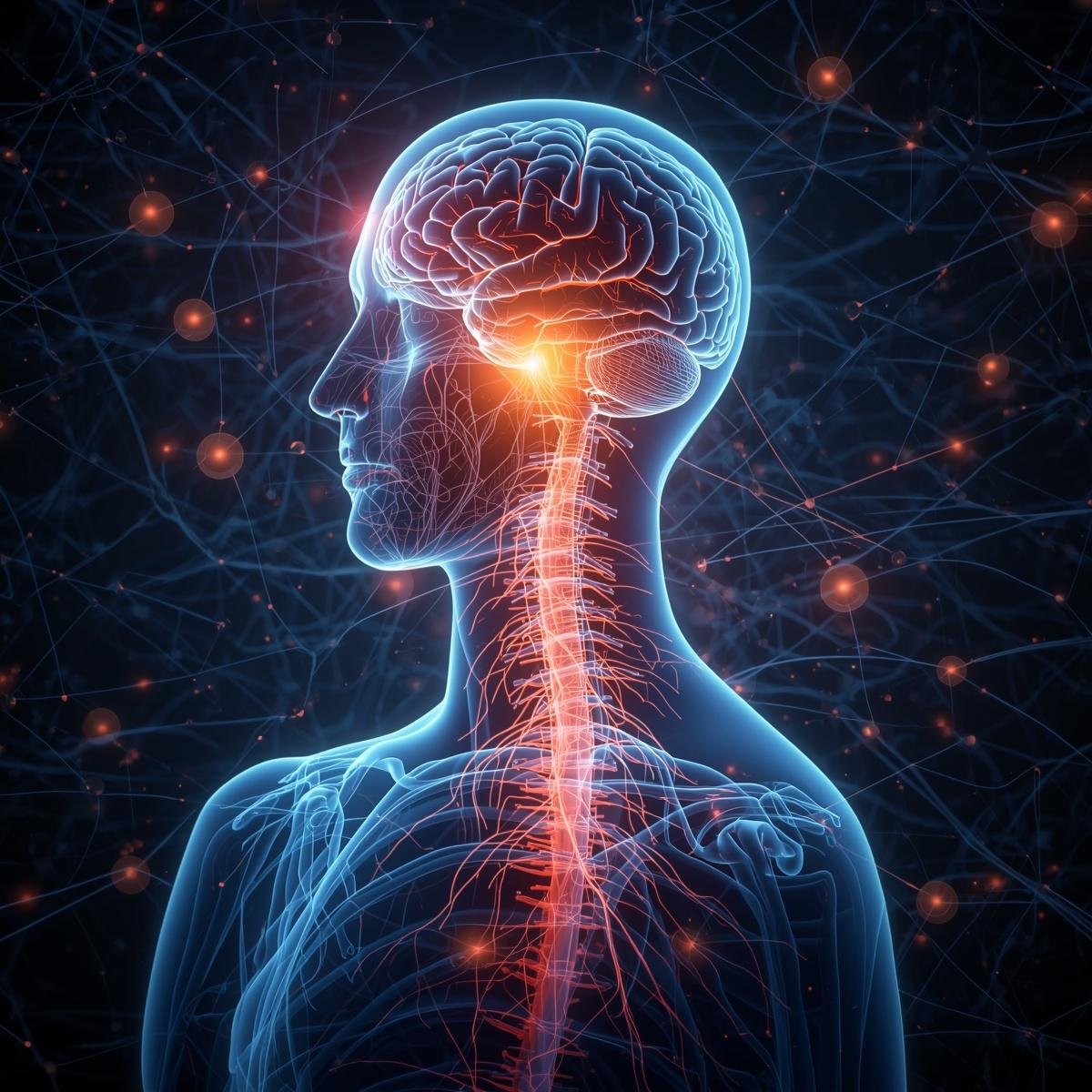
What Is Nervous System Dysregulation, Anyway?
Your nervous system controls far more than you might realize—from your heart rate and digestion to how you respond to everyday stress. When it becomes dysregulated, the effects ripple through your physical and mental health. Learn the signs of nervous system dysregulation, what causes it, and simple lifestyle changes that can help you find balance again.
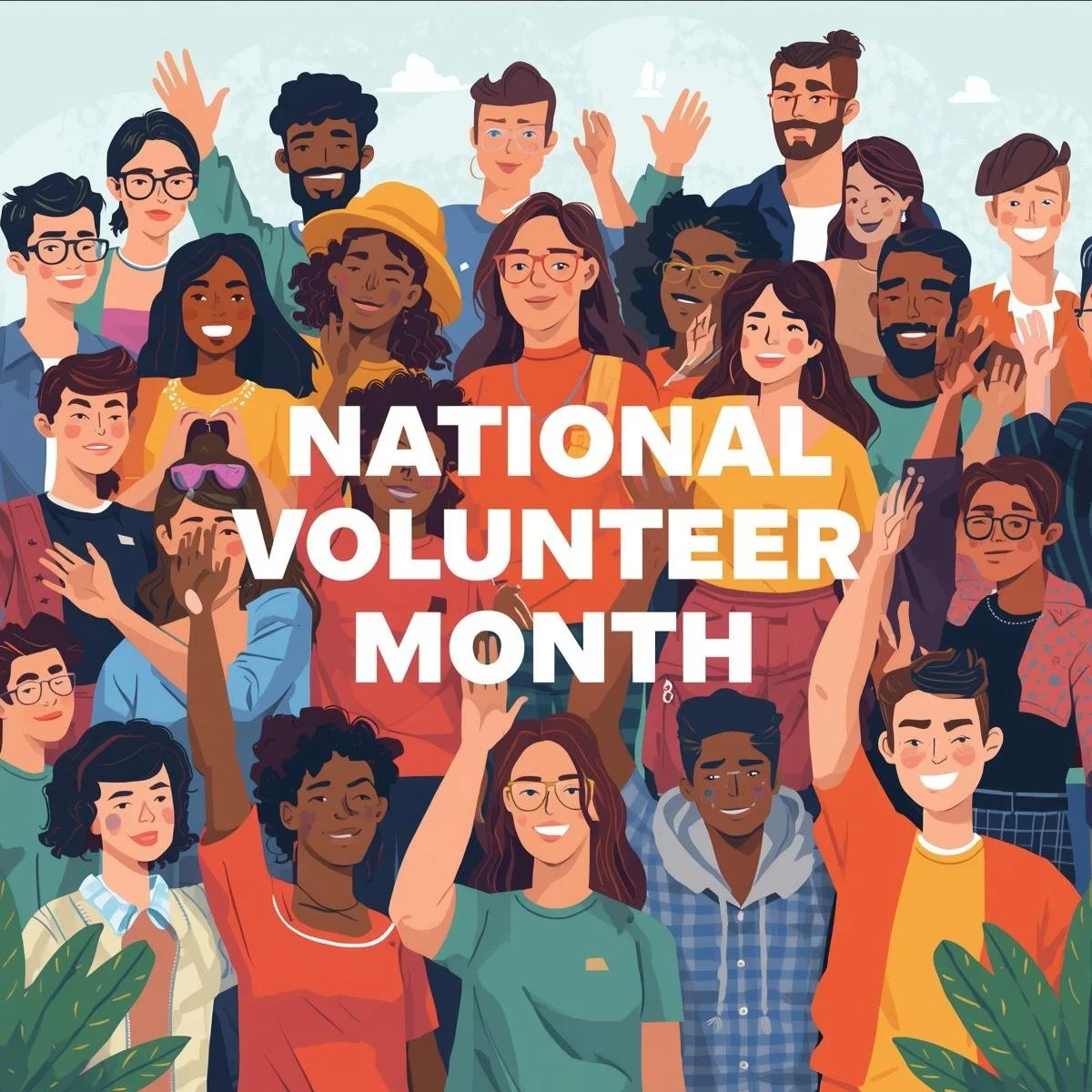
National Volunteer Month: Why Giving Back is the Ultimate Win-Win
Volunteering isn't just good for the world — it's proven to boost your own mental health too. Learn how the "helper's high" reduces depression, loneliness, and stress, and find local volunteer opportunities in Longmont and Boulder County this April.

Hypnotherapy for Anxiety: A Powerful Path to Calm
We know that reaching out for help takes courage. Whether you’ve tried other approaches without success, or you’re simply curious about what hypnotherapy has to offer, we’re here to answer your questions and walk alongside you.

Is It Stress or Anxiety? How to Tell the Difference
Do you feel constantly on edge but can't explain why? Stress and anxiety can feel similar — but they're not the same thing. Learn the key differences and when it's time to reach out for support.

Key Moments to Ditch Your Phone
We have a quiet moment, a sweet moment, an opportunity to be present with someone or present with our own thoughts.

What Is a Holistic Nurse? How Autumn Supports Your Whole-Person Wellness
In a conventional healthcare visit, time is limited, and the focus is necessarily narrow: what's the problem, what's the treatment, what's the next step. A holistic nurse works differently.